Macro Photography
MACRO PHOTOGRAPHY
Master the art of capturing close-up details of the miniature world.
Your backyard isn't just a patch of grass—it’s an alien planet teeming with textures, patterns, and creatures. Whether you’re a hobbyist or a seasoned pro, capturing the "unseen" requires a blend of surgical precision and creative patience.
Here is how to shrink your perspective and sharpen your results.
Ditch the Autofocus
At macro distances, even the best AI-autofocus systems can "hunt" and miss by a millimeter. Switch to manual focus. Tip: Set your focus ring to the desired magnification and physically move the camera back and forth until the subject snaps into clarity.
Beware the Aperture Trap
It’s tempting to stop down to f/22 to get everything in focus. Don’t. A phenomenon called diffraction kicks in at tiny apertures, actually making your image softer. Most macro lenses hit their "sweet spot" of sharpness between f/8 and f/11.
Master Focus Stacking
Since the depth of field at 1:1 is paper-thin, you often can't get the whole subject sharp in one shot. Take a series of photos, shifting the focus slightly for each. Modern cameras (like the Sony α7 V or OM-1 series) have built-in Focus Bracketing. You can then merge these in post-processing for a final image with impossible depth.
The Background is Half the Battle
A distracting leaf or a bright twig in the background can ruin a shot. Use a small piece of colored cardstock or a "plamp" (plant clamp) to tidy up the scene. A clean, out-of-focus background makes your subject truly pop.
Macro photography reminds us that there is beauty in the mundane. The next time you see a ballpoint pen or a common housefly, look closer—you might just find your next gallery-worthy shot.
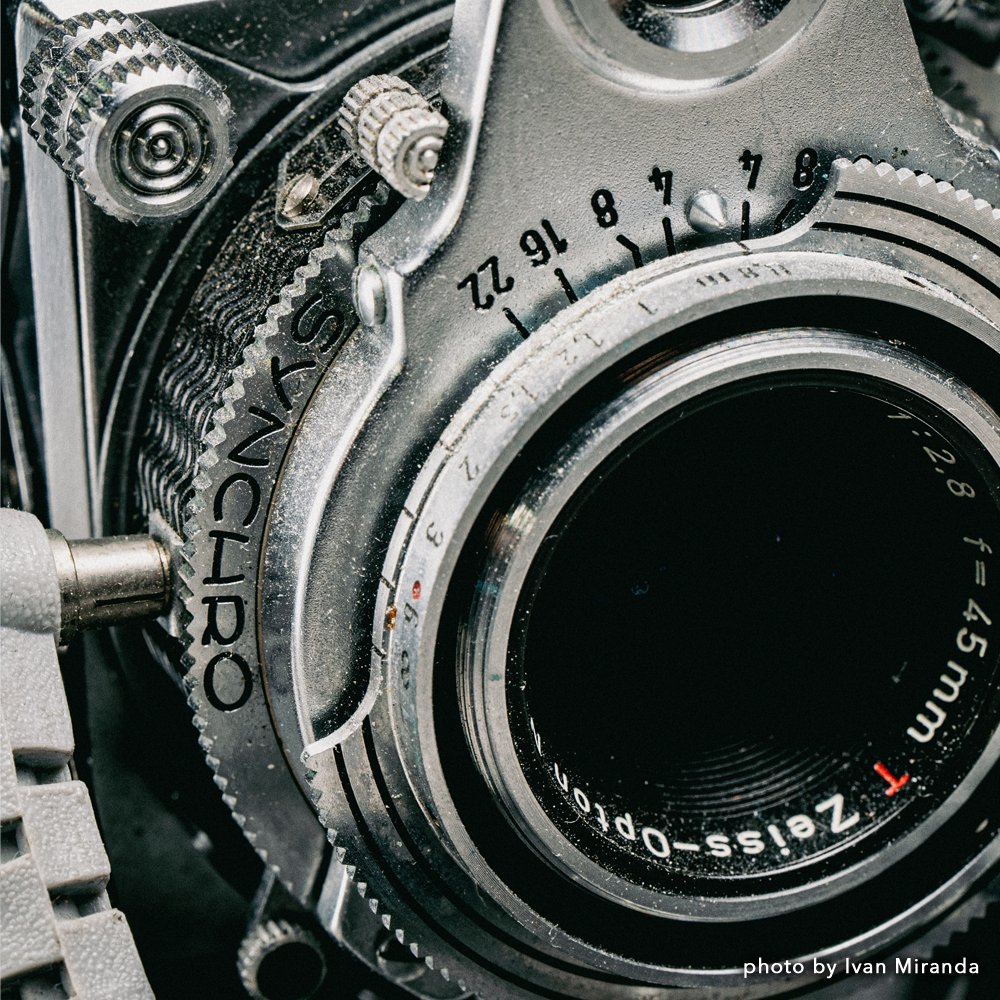
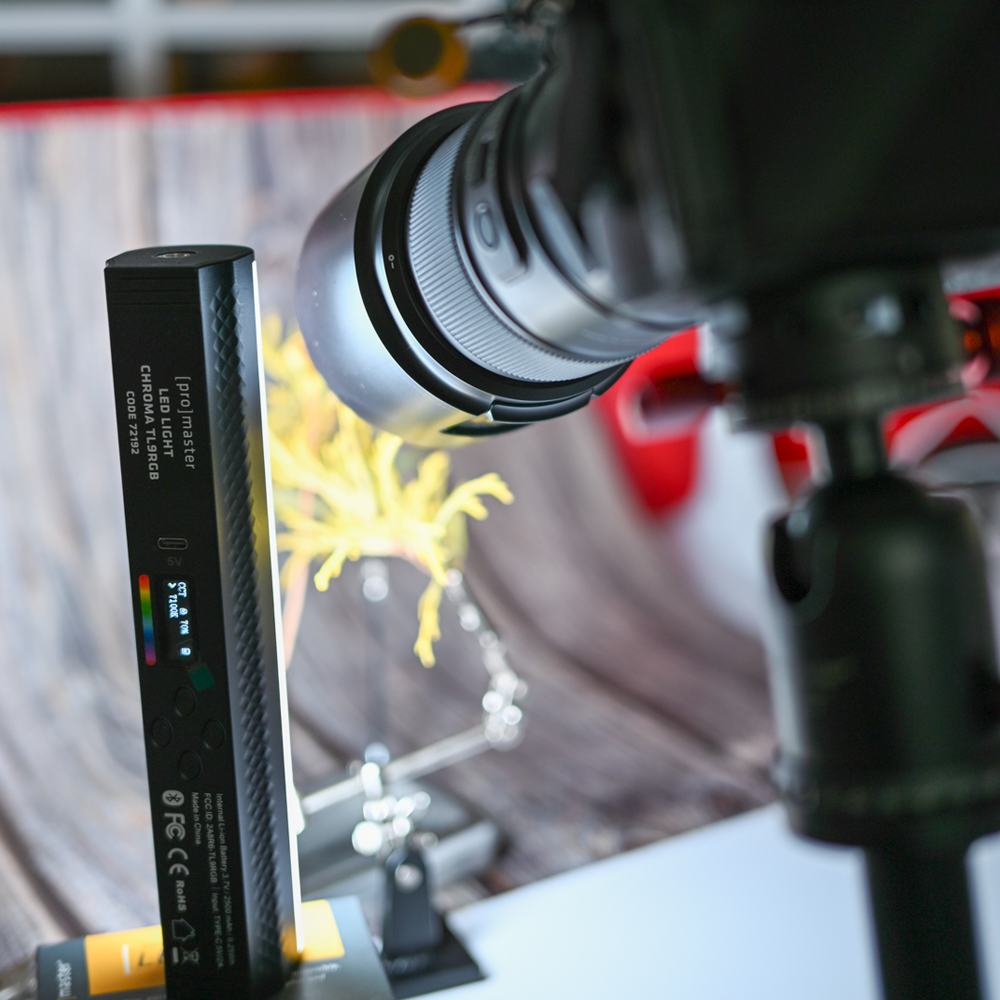
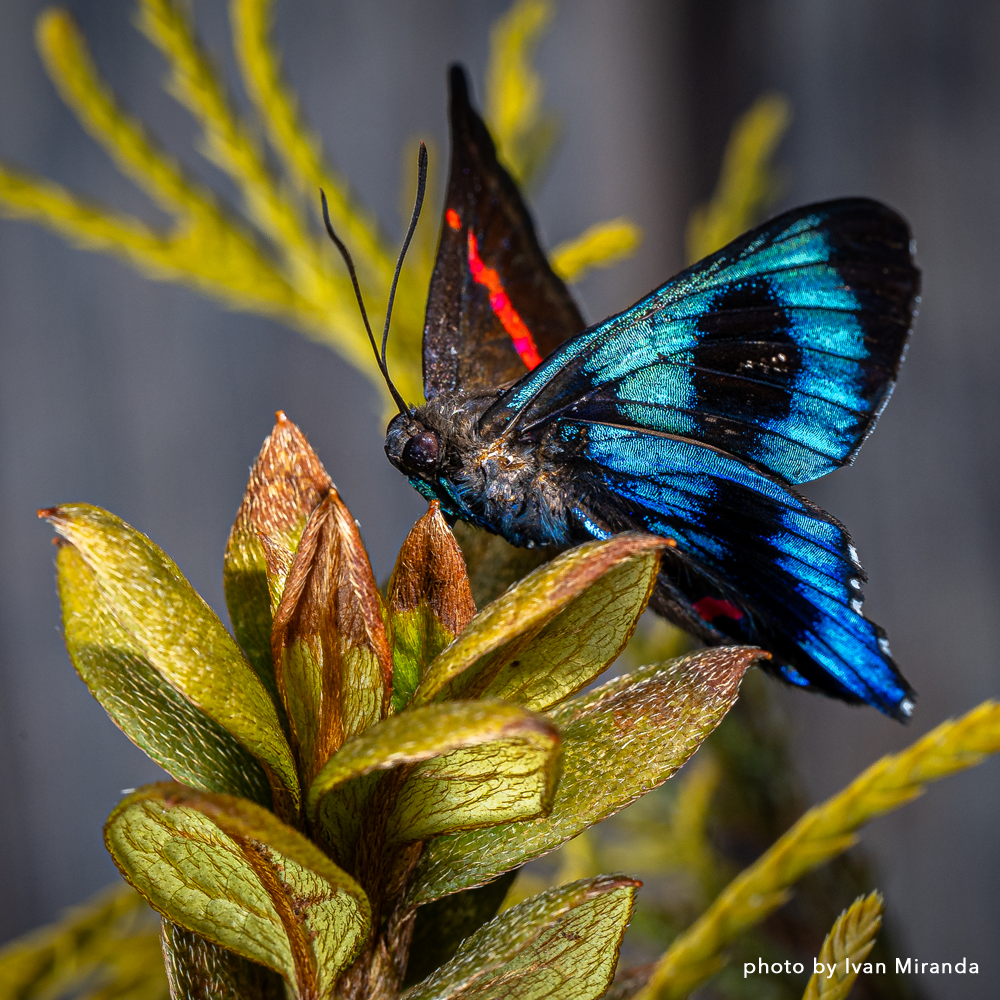
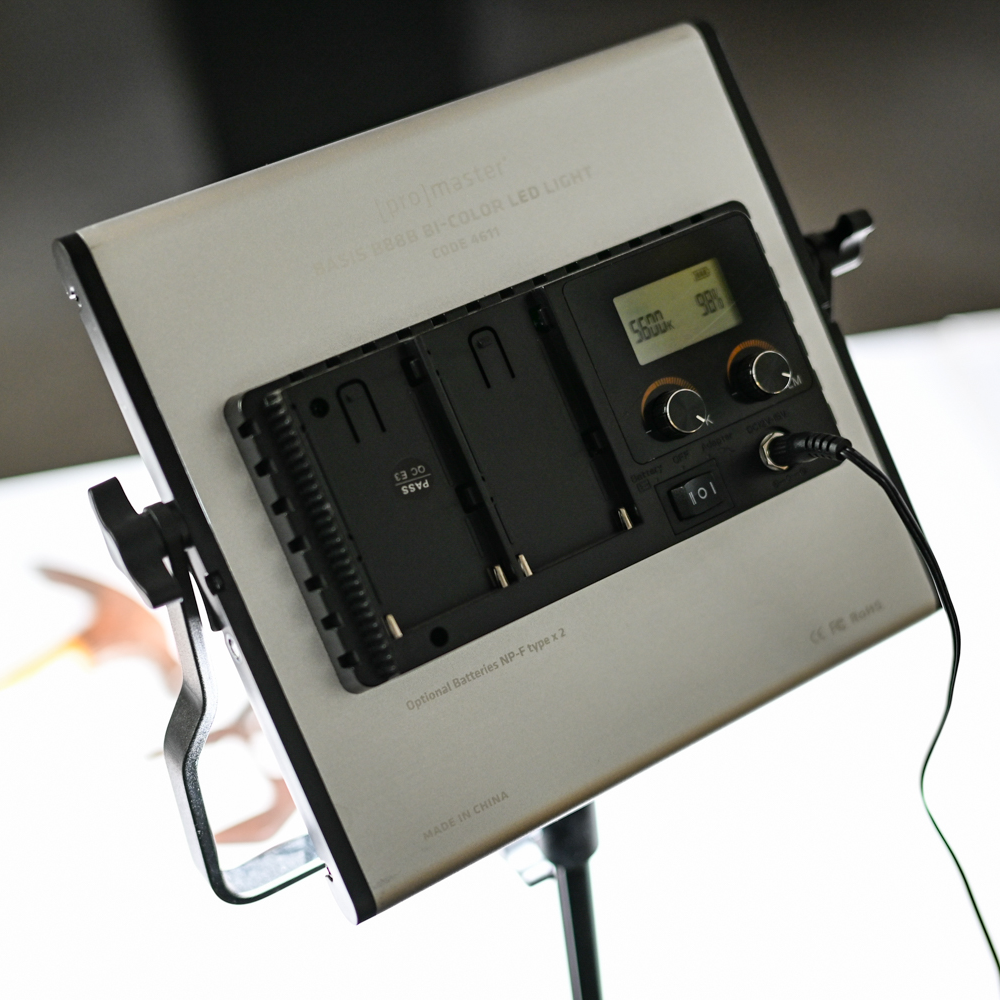
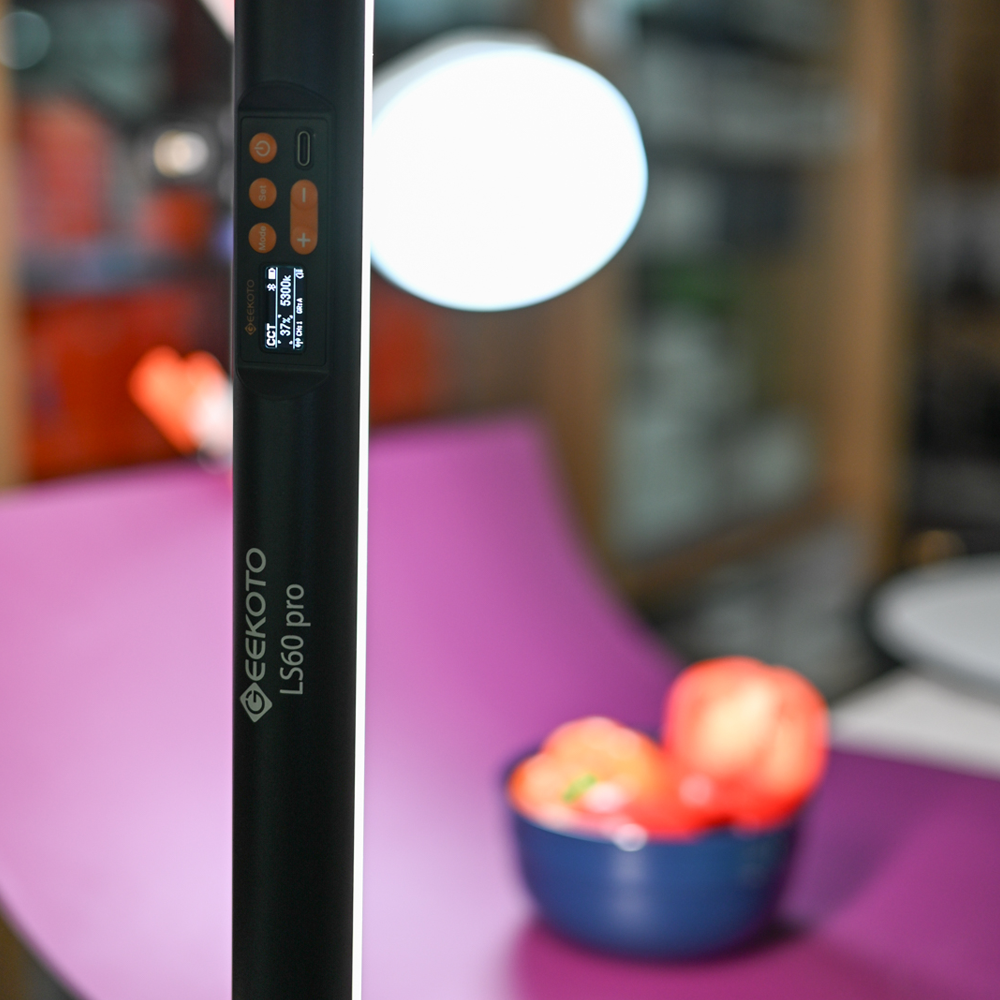
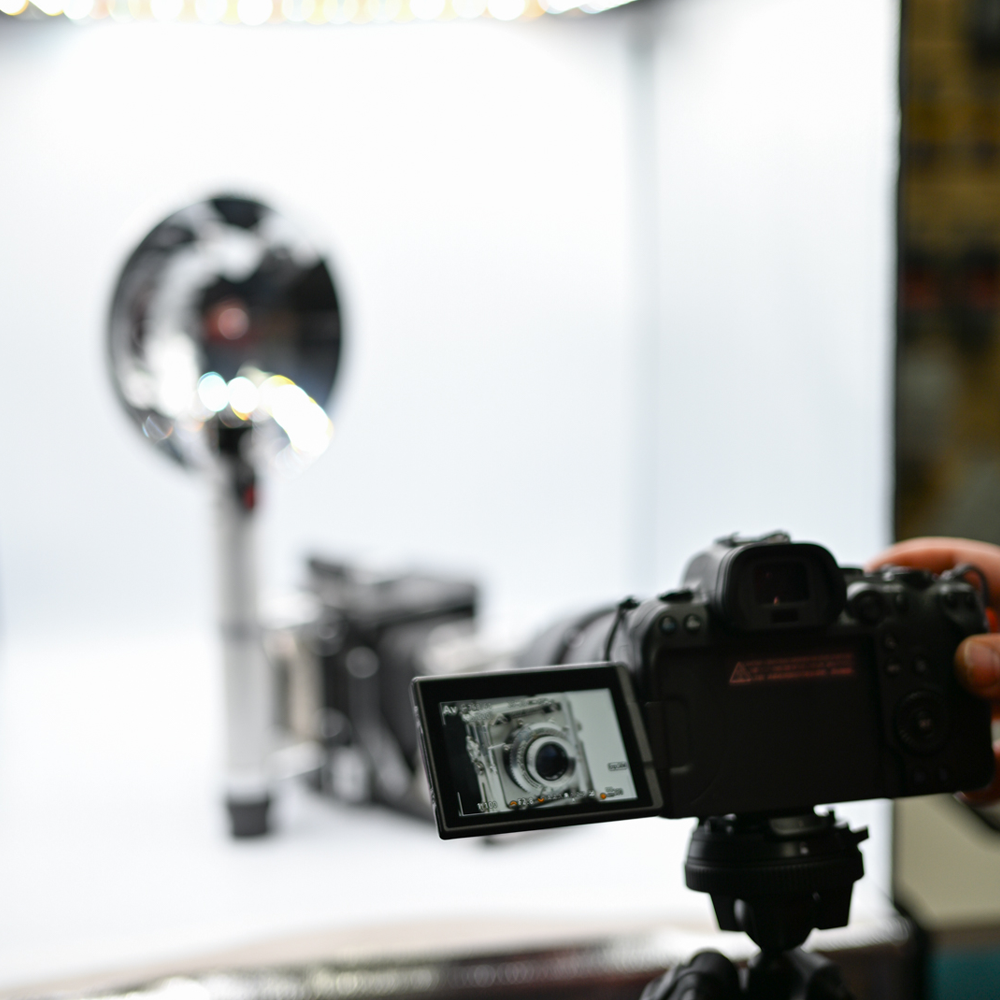
Photographers of all levels descended upon Milford Photo for a hands-on macro photography session. We practiced close-up imaging on interesting subjects, professionally lit with continuous LED lights for detail and drama.
The Essential Gear
The right tools make the difference between a blurry smudge and a masterpiece.
A Dedicated Macro Lens
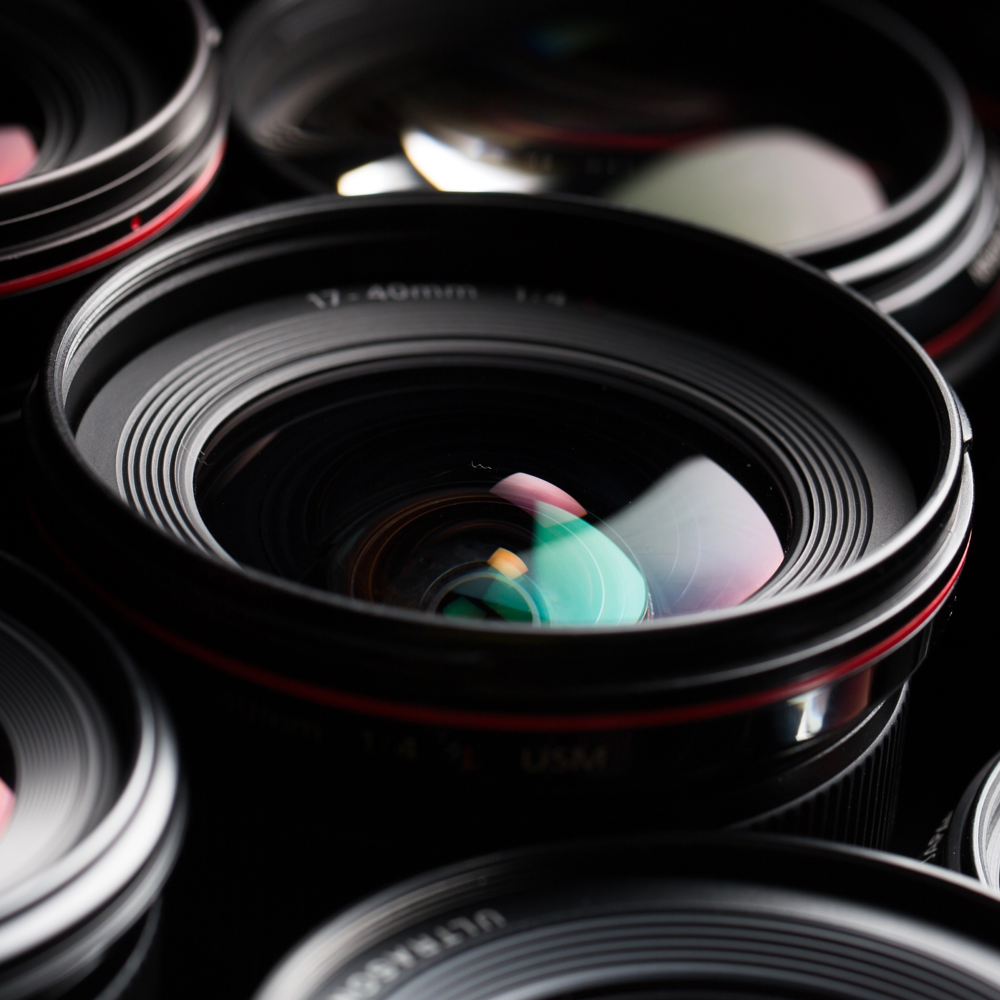
Look for a "true" macro lens capable of 1:1 magnification (meaning the subject is life-sized on your sensor). For professionals, 2:1 or 5:1 "super-macro" lenses offer mind-blowing detail but require extreme stability.
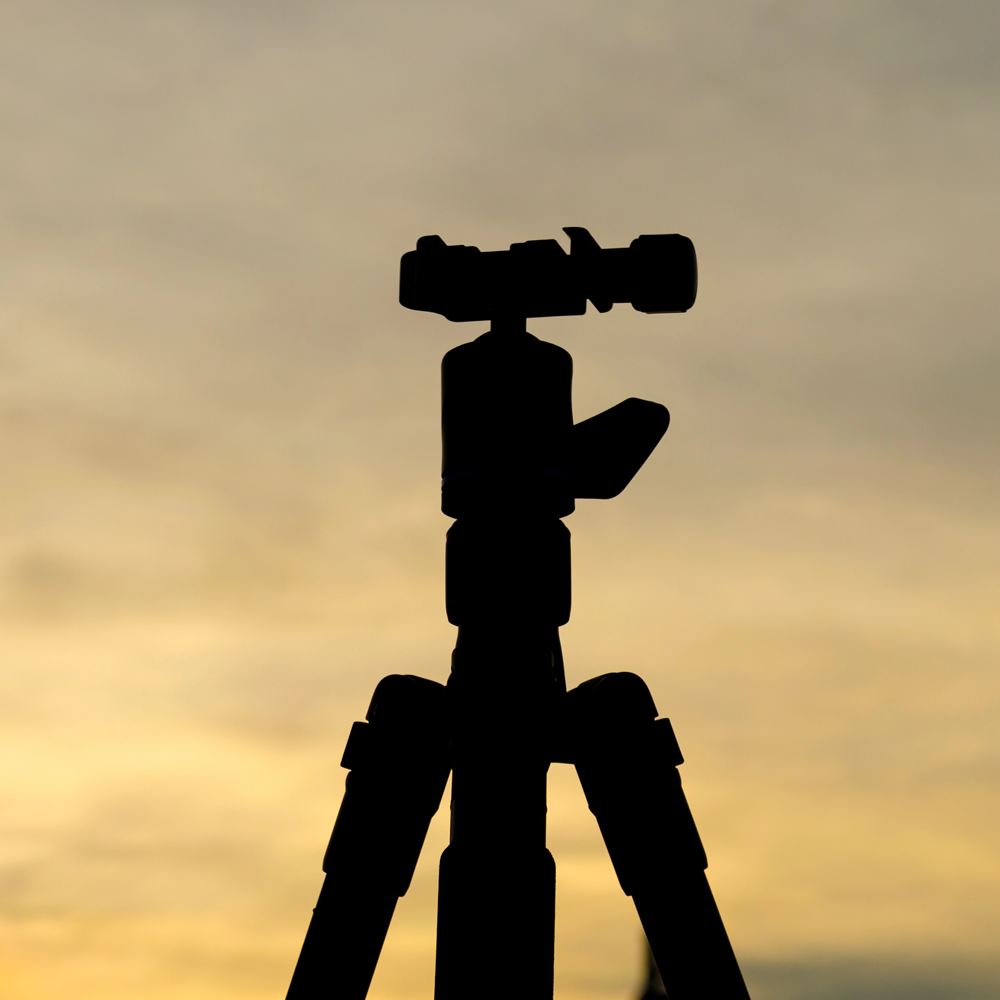
A Sturdy Tripod
At high magnification, even your heartbeat can cause motion blur. A sturdy carbon-fiber tripod is vital. For pros, adding a focus rail is a game-changer for incremental movements.
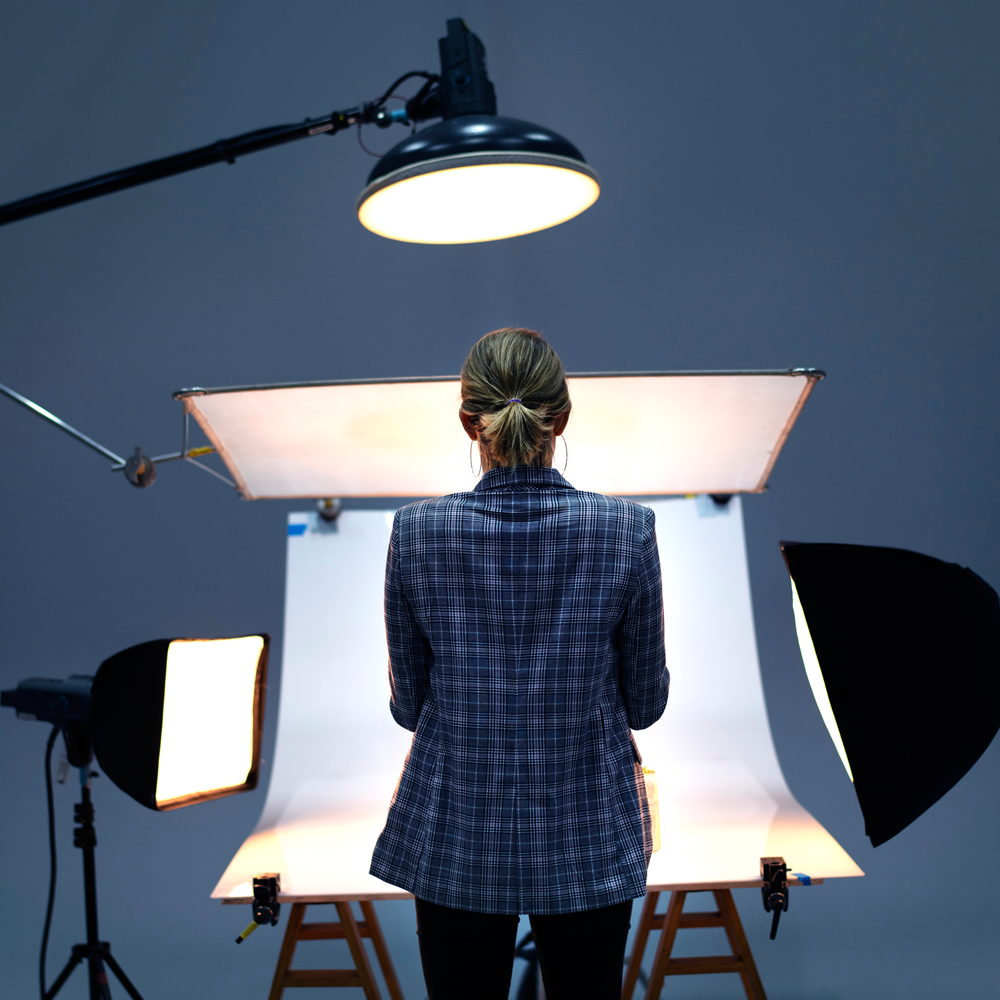
Lighting & Diffusion
Direct sunlight is the enemy—it creates harsh "hot spots." Use a dedicated macro ring flash or LED arms (like the Adaptalux system) paired with a high-quality diffuser to wrap your subject in soft, even light.
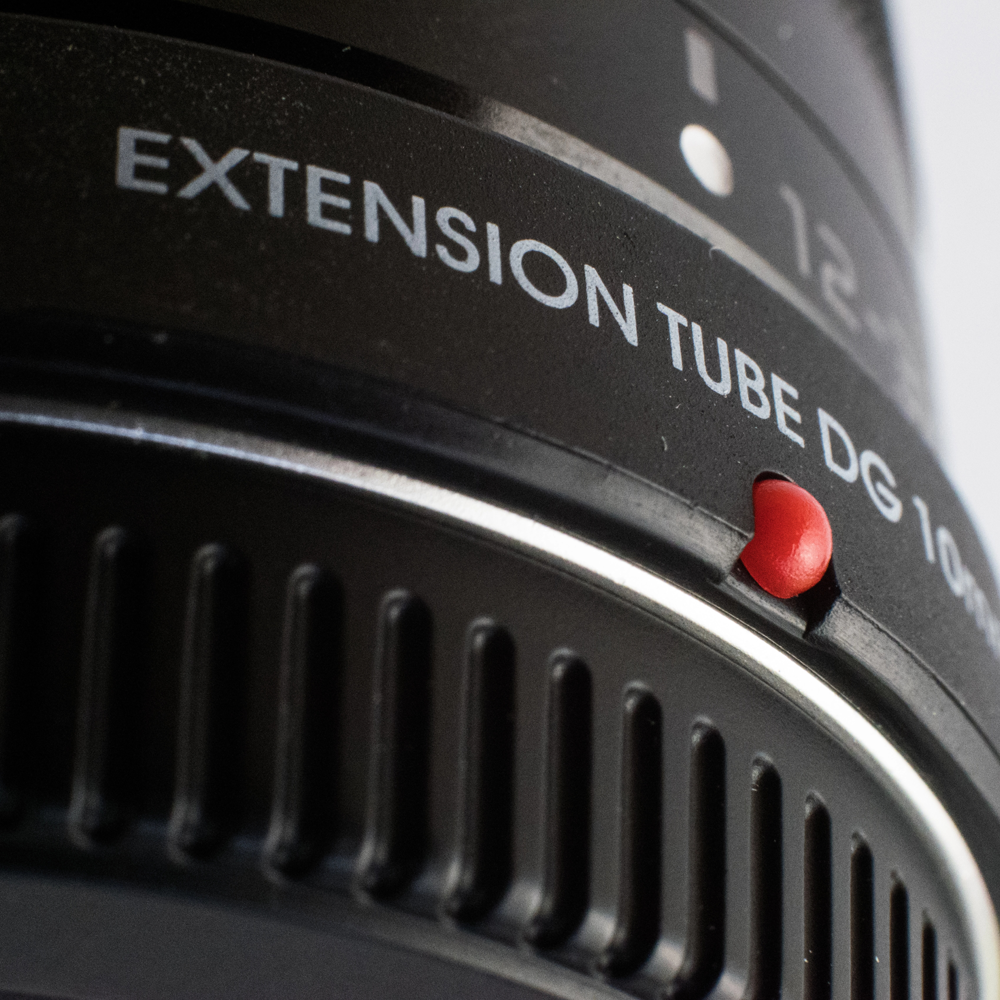
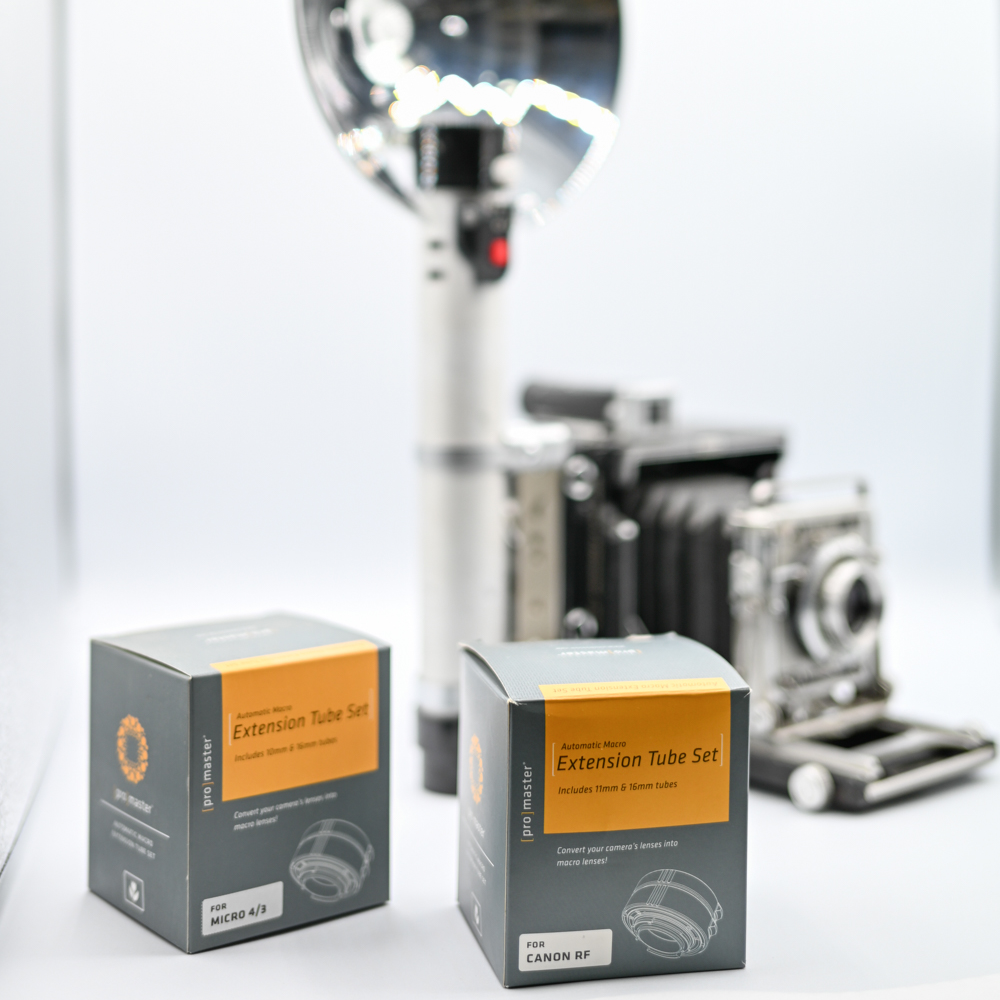
Extension Tubes
A budget-friendly secret for any level. These hollow tubes sit between your camera and any lens, shortening the minimum focus distance without adding glass that might degrade image quality.
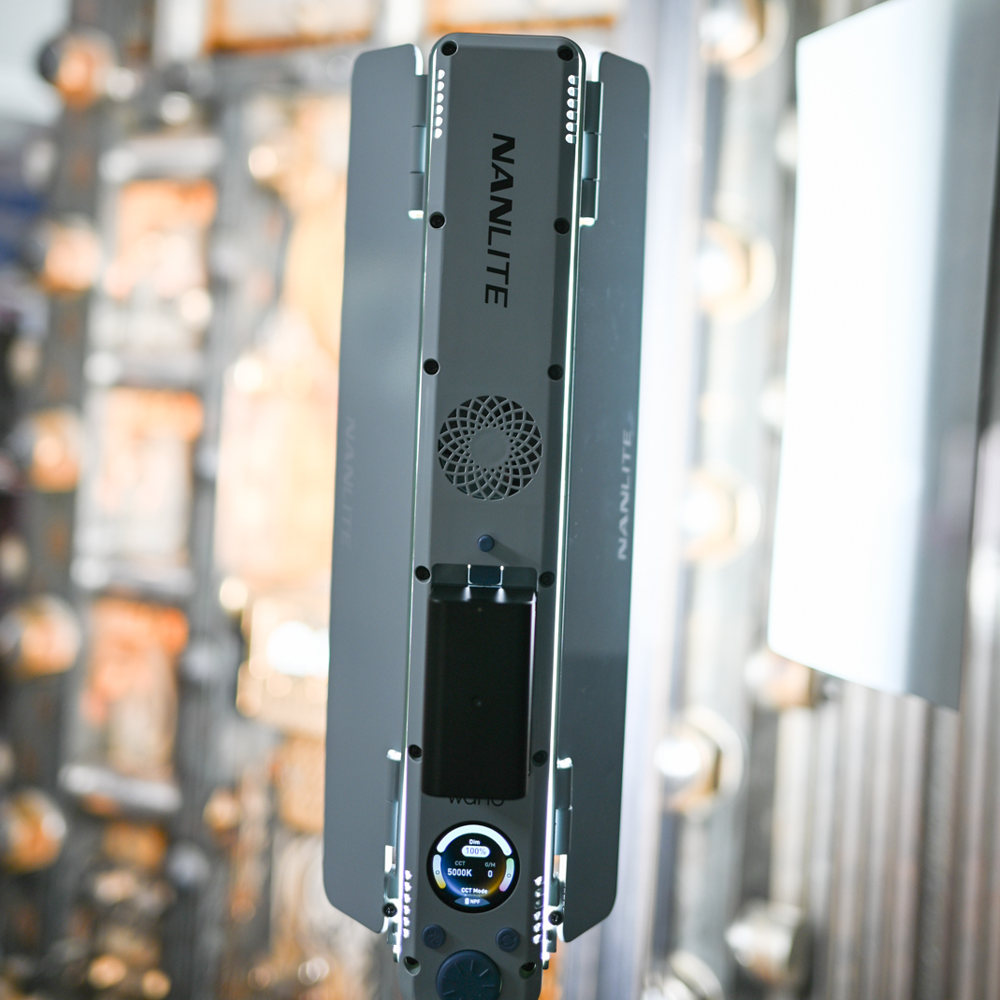
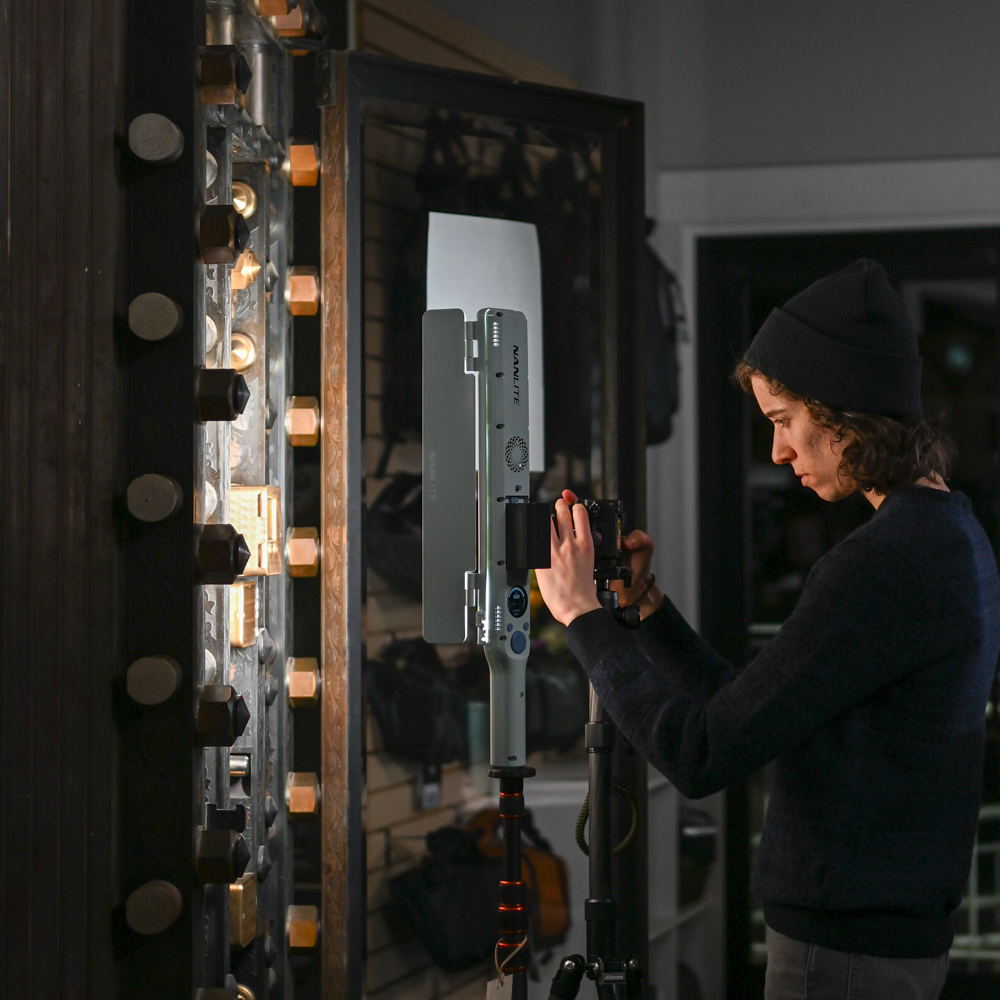
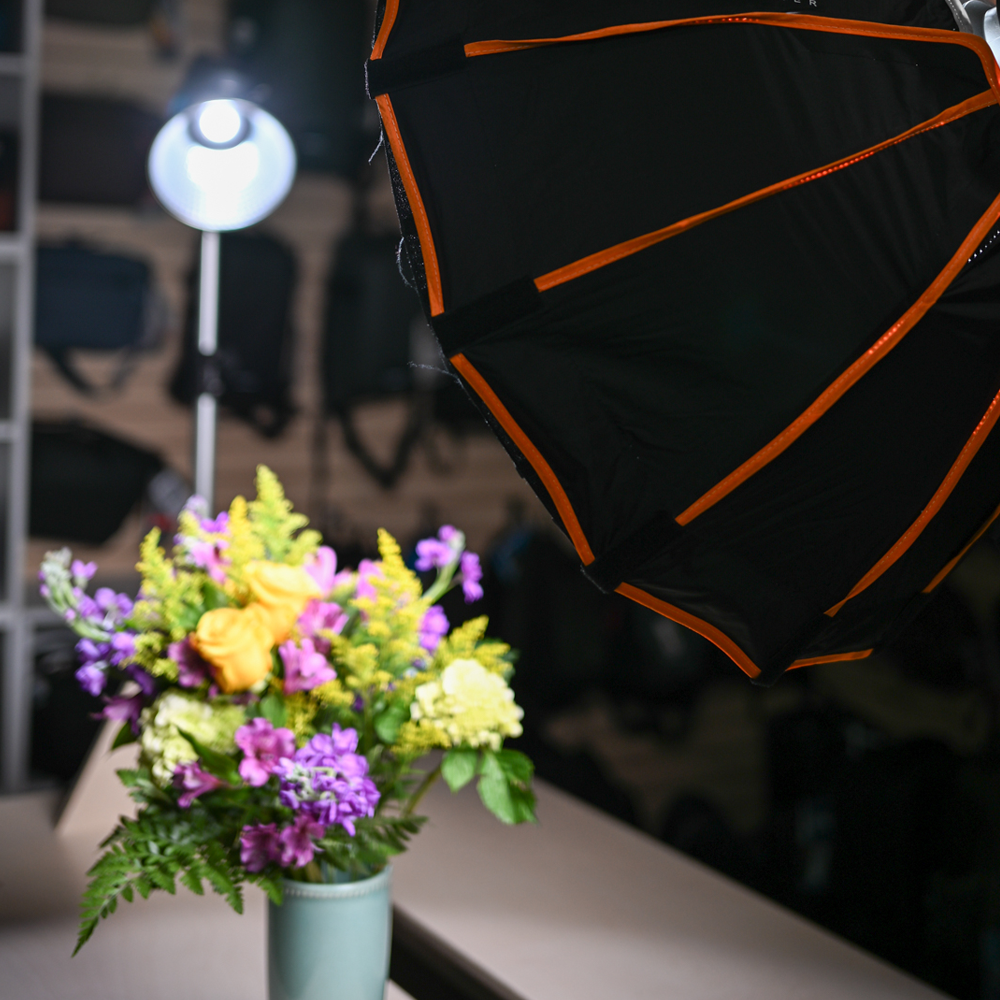
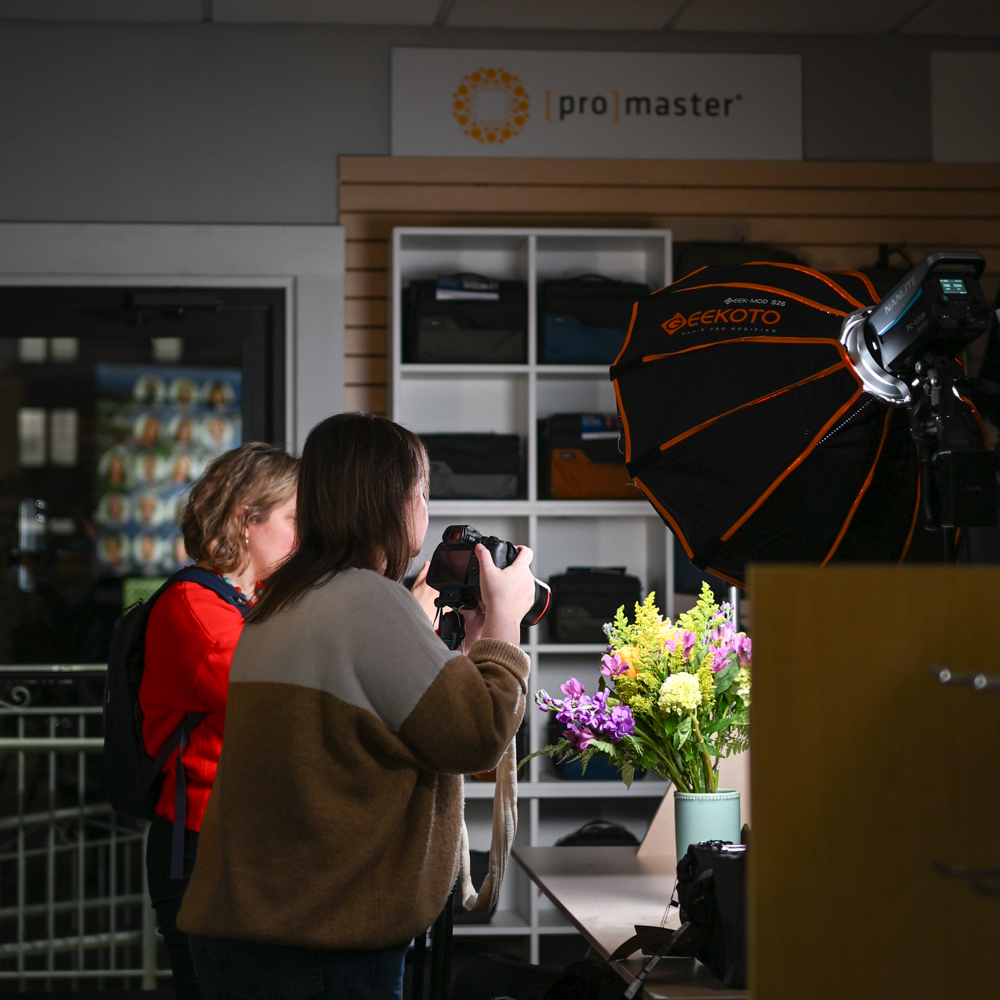
Gear Used at the Macro Photography Workshop
Lights:
- Nanlite PavoTube II 6C 10in 6w RGBWW LED Tube
- Nanlite FC-60B Bi-Color LED Spotlight
- ProMaster CL68RGB Chroma 2-Light Transport Kit - RGBWW 6" x 8"
- ProMaster Small Block WR LED Light Kit
- ProMaster Chroma TL9RGB 9" Tube LED Light
Diffuser:
Light Stands:
- Geekoto LS-25C Carbon Fiber Light Stand 6.5'
- ProMaster LS-3(n) Air Stand
Tripods:
More Useful Gear:
- ProMaster Extension Tubes
- ProMaster Chroma SLS2323RGB Still Life Studio